



There’s a persistent myth in Australian ceramics that recognition and financial stability arrive together—that once your work enters a major public gallery collection, you’ve somehow “made it” as a potter. But in the reality of Australian pottery, that threshold doesn’t really exist. Or at least, it doesn’t behave the way people expect.
It’s entirely possible—common, even—for an Australian ceramic artist to have work held in a national or regional gallery collection and still be selling handmade pottery at local markets the following weekend. To an outsider, that can look like a contradiction. To anyone working within Australian ceramics, it’s simply the reality of a non-linear career in pottery.
I was reminded of this in a very immediate way earlier this year. At the beginning of 2026, I visited Shepparton Art Museum and came across a piece by Mary-Lou Pittard. I recognised it instantly—not from a catalogue or an exhibition guide, but from years of seeing her handmade ceramics at Australian pottery markets. It was one of those moments where two versions of the same ceramic practice collide: the institutional gallery setting and the everyday market stall.
Mary-Lou Pittard is a well-established name within the Australian pottery community, and not in a distant or inaccessible way. She, her husband Chris, and her daughter Jessie have all been part of the Australian handmade ceramics market scene for years—selling functional pottery directly to customers who use it daily. That lived, accessible presence sits alongside her inclusion in a major Australian regional gallery collection without cancelling it out.
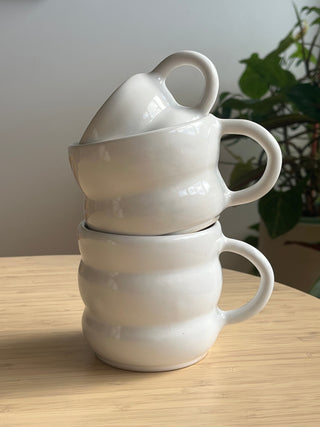
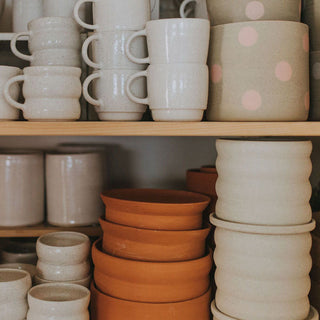
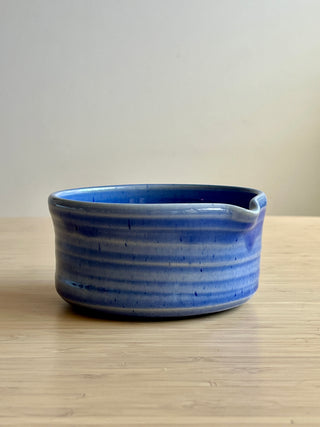
What stayed with me was how immediate that recognition was. Her wheel-thrown ceramics carry a distinct visual language—one that translates seamlessly whether viewed in a curated exhibition of Australian ceramics or on a trestle table at a weekend craft market.
Then, just yesterday, I was at a Melbourne market and saw both Mary-Lou and her daughter again, selling their handmade pottery. Same maker, same knowledge, same level of ceramic skill—just under a marquee instead of gallery lighting. The context had shifted, and with it, the way people engaged with the work.
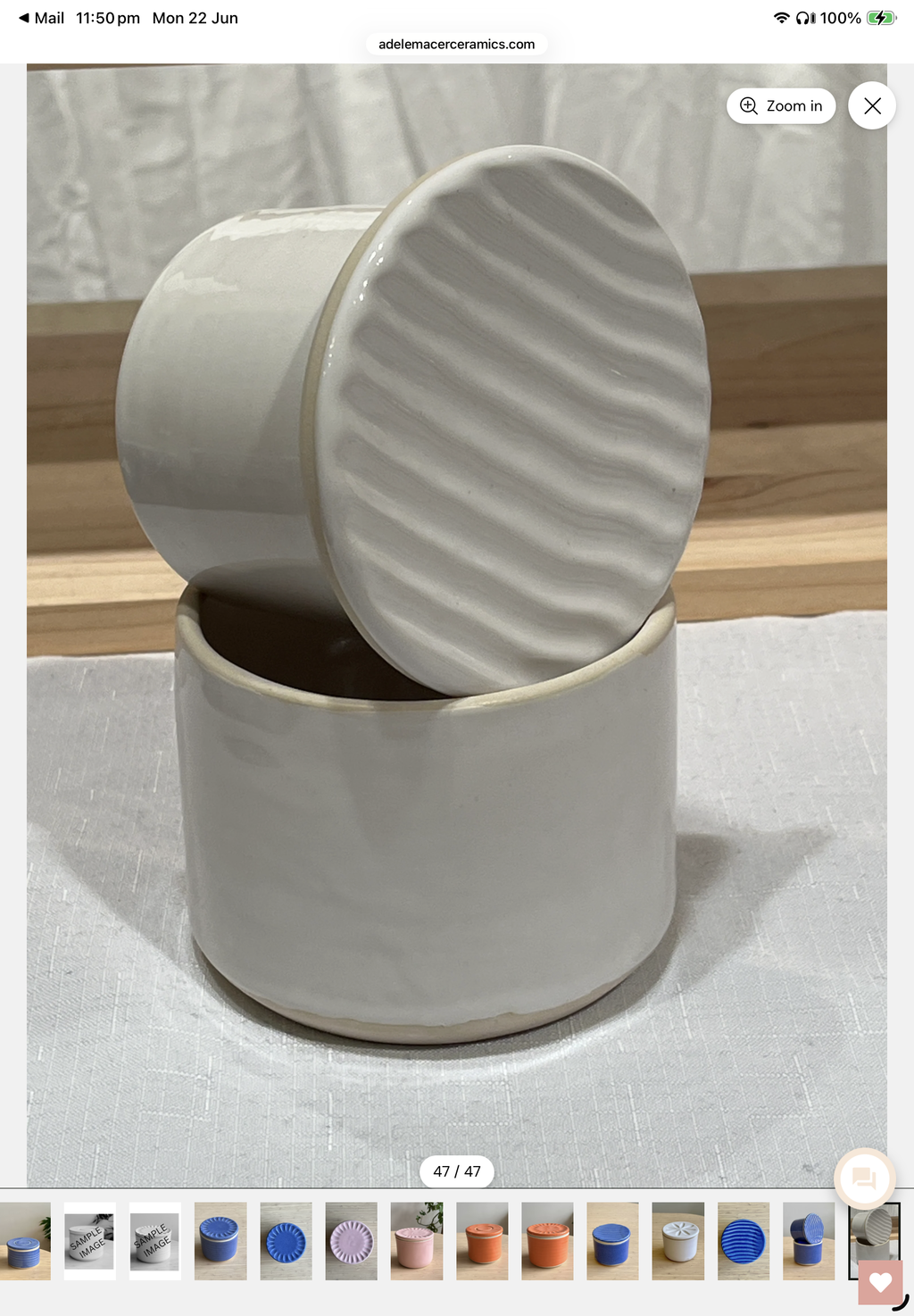
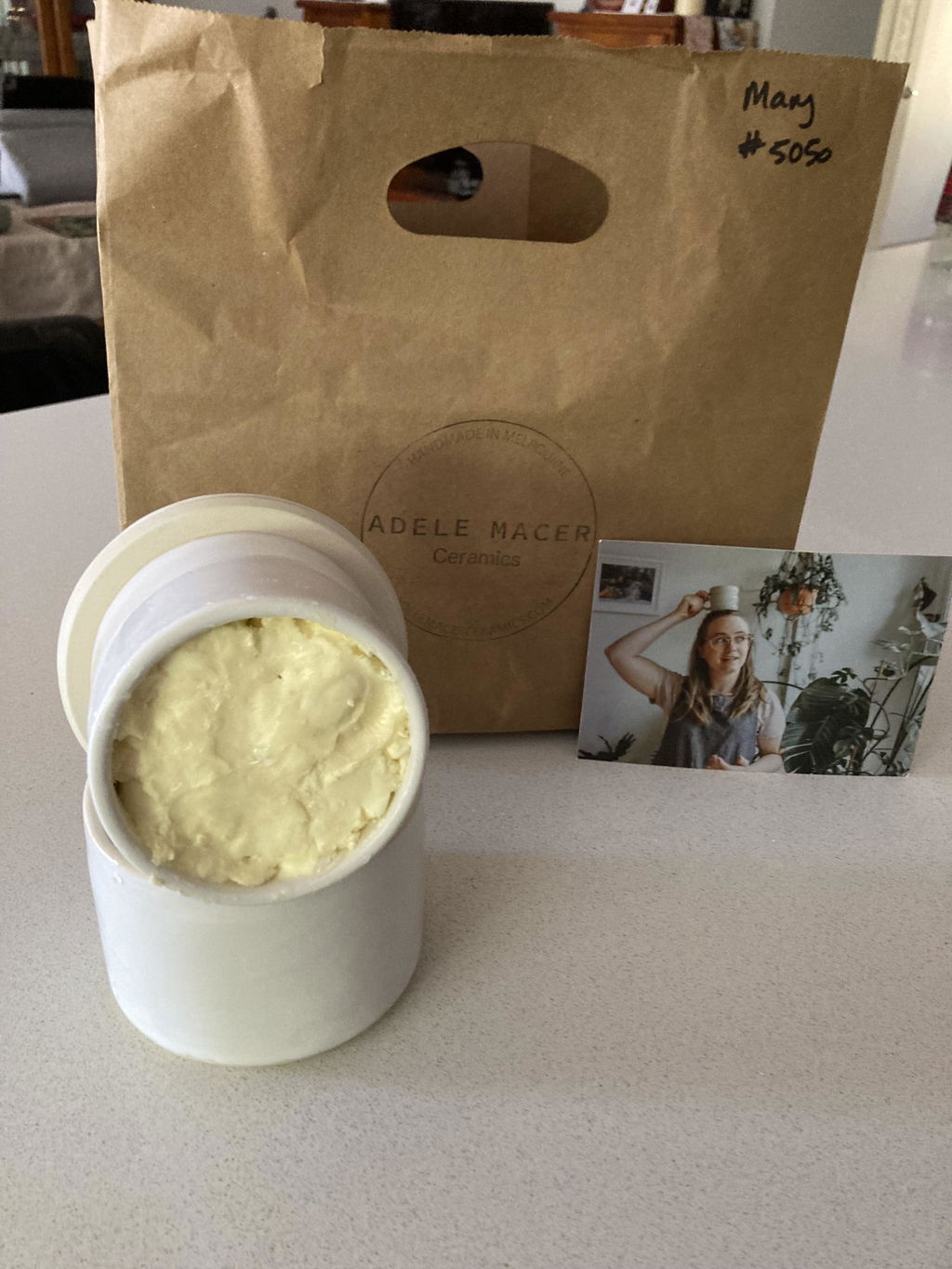
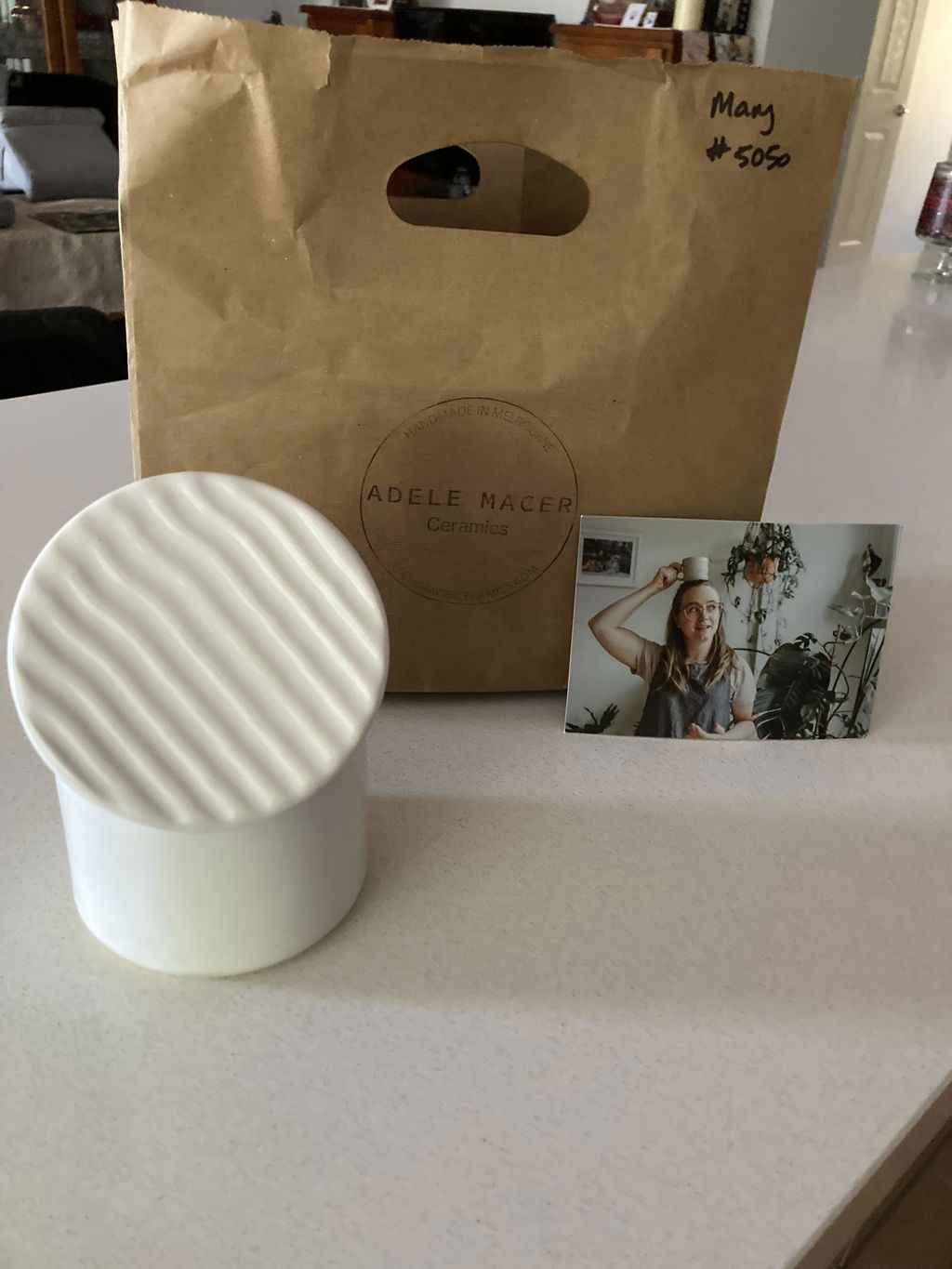
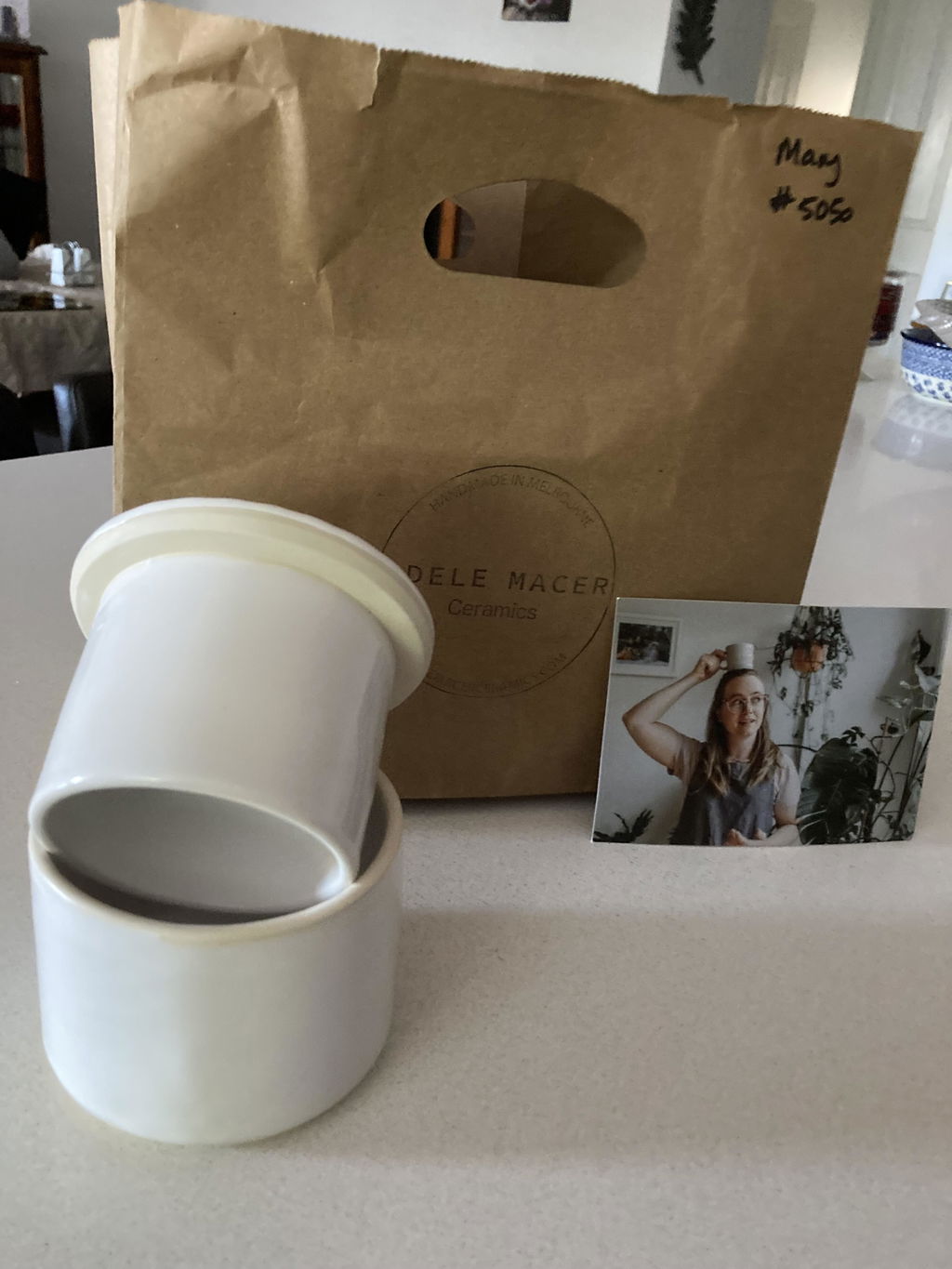
I found myself wondering how many people around me truly understood what they were buying. Someone might pick up a small handmade creamer or ceramic jug, turning it over, comparing it to other pieces, imagining it on their coffee table. And that’s completely valid—that’s the beauty of functional ceramics in Australia. But at the same time, that same object exists within another context. It is part of a body of work that has also been exhibited in an Australian gallery, displayed on a pedestal, and considered within the broader field of contemporary Australian ceramics.
In that moment, it’s easy to overlook that you’re not just buying a piece of handmade pottery—you’re buying a work by an Australian ceramic artist whose practice spans both market and gallery contexts.
That gap—between what a ceramic object is and how it’s perceived—is where Australian pottery sits.
Selling handmade ceramics in Australia doesn’t follow the same trajectory as selling paintings. A painter might produce a limited number of works each year, with prices increasing alongside their exhibition history. But for potters, especially those making functional ware, the practice operates across multiple income streams. You might be producing exhibition ceramics for a gallery show while also making affordable handmade pottery for markets or online sales.
Both require a high level of ceramic knowledge. Both are part of sustaining a ceramics practice in Australia. But they exist in very different markets.
Having work in an Australian gallery collection signals cultural and artistic value within contemporary ceramics—it reflects curatorial recognition and contribution to the field. But it does not guarantee financial stability. Many public gallery acquisitions operate within limited budgets, meaning the monetary return rarely reflects the years of skill required to produce the work.
Then there’s the role of context in valuing handmade pottery.
The same ceramic cup can carry entirely different perceived value depending on where it is displayed. In a gallery, surrounded by space, lighting, and interpretation, it is read as a collectible artwork. At a market, surrounded by other handmade goods, it is often read as functional pottery—something to be compared, handled, and priced accordingly.
This is not just about prestige—it’s about perception in the Australian ceramics market.
Gallery exhibitions position ceramics within a conceptual and artistic framework. Markets position ceramics within accessibility and function. Neither is more legitimate, but they shape how buyers assign value to handmade ceramics.
For Australian potters, this creates an ongoing tension. You can be producing high-level, technically refined ceramics while still needing to meet a market that expects affordable handmade pottery. You can be an exhibiting ceramic artist in Australia while also negotiating prices at a local craft market.
This isn’t a failure of the artist—it’s a reflection of how ceramics exists between art and craft in Australia.
There is also a quiet strength in this dual practice. Selling handmade pottery at markets allows ceramic artists to connect directly with their audience, maintain cash flow, and continue developing their work. It supports the sustainability of a ceramics practice in a way that exhibitions alone often cannot.
What’s worth questioning is how value is constructed around Australian handmade ceramics.
If the same piece of pottery can shift in perceived worth depending on whether it is in a gallery or a market, then pricing is not just about materials, kiln firings, or labour. It is about context, storytelling, audience expectation, and the broader perception of ceramics in Australia.
Because the reality is this: the level of skill required to produce high-quality handmade ceramics in Australia is significant. It involves years of learning wheel-throwing techniques, glaze chemistry, firing schedules, and material behaviour. That expertise does not diminish simply because the work is sold at a market instead of a gallery.
If anything, it highlights the gap between the true value of handmade pottery and what the market is willing to pay.
And maybe that’s the most honest reflection of the Australian ceramics industry—there is no clear, linear path. You can be both an exhibiting ceramic artist and a market seller at the same time. You can have work in a gallery collection while still relying on weekend markets to sustain your practice.
That’s not a contradiction.
That’s what it actually looks like to build a career in Australian pottery today. That’s not a flaw in the system. It’s the system itself.
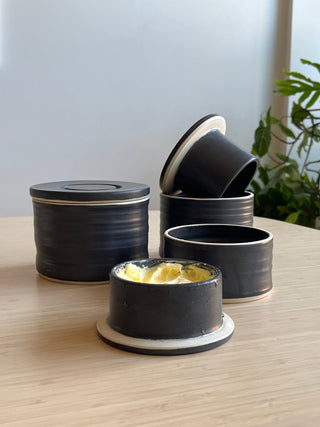
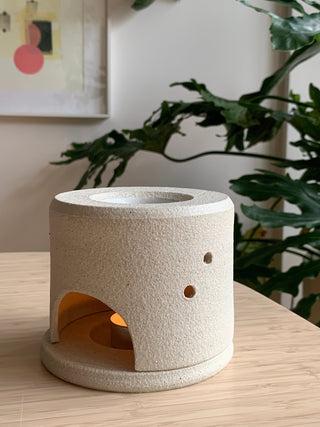
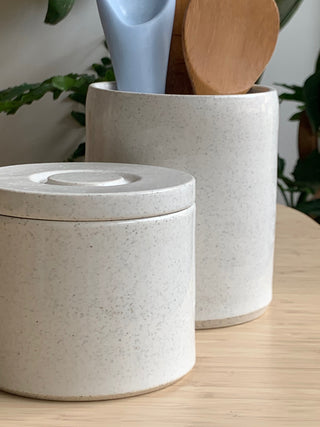
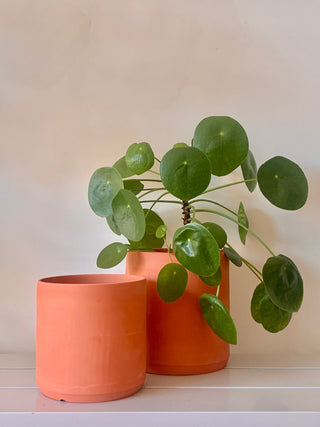
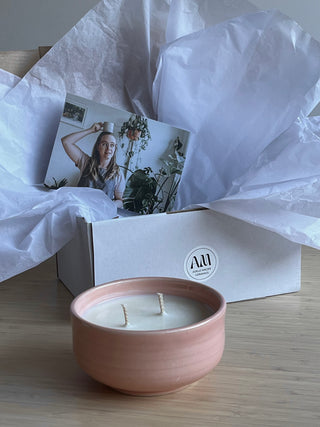
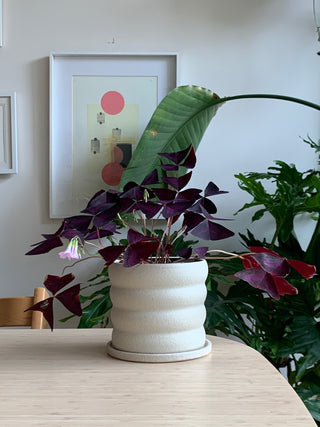
Image taken from https://www.instagram.com/marylou_pittard/ please get in touch for photography credits.